Five Habits of High-Performing Vivarium Teams
What Separates Facilities That Run Smoothly From Those That Just Get By
Walk into any high-performing vivarium and you’ll notice it before you can quite explain it. Requests don’t fall through the cracks. Questions get answered before they become problems. Staff seem to know not just what to do, but why it matters.
None of this happens by accident. High-performing teams share a set of habits, ways of working that, over time, become part of the facility’s culture rather than a set of rules imposed on it. Here are five that show up again and again in the teams that operate at their best.
1. They Treat Communication as Infrastructure, Not an Afterthought
In struggling facilities, communication is reactive: a question gets asked when something’s already gone wrong. In high-performing facilities, communication is proactive and built into the daily rhythm. Investigators know how to submit a request and what to expect back. Staff know who to loop in and when. Nothing depends on someone remembering to send a follow-up email.
This isn’t about talking more. It’s about making sure the right information reaches the right person at the right moment, as a matter of course rather than effort.
2. They Document as They Go, Not After the Fact
Every facility has documentation requirements. The difference is when the documenting happens. Weaker teams treat it as a chore to catch up on, reconstructing what happened days later from memory or a scribbled note. Strong teams document in the moment, while the details are still fresh and accurate.
This habit alone prevents a huge share of the errors and disputes that plague research facilities. When the record is created at the time of the work, there’s no gap for memory, assumption, or miscommunication to slip into.
3. They Build Accountability Into the Process, Not Just the Culture
“Be accountable” is easy to say and hard to operationalize. High-performing teams don’t rely on accountability as a personality trait; they build it into how work moves through the facility. Every task has an owner. Every request has a clear outcome. When something doesn’t get done, it’s visible, not buried in an inbox or lost between shifts.
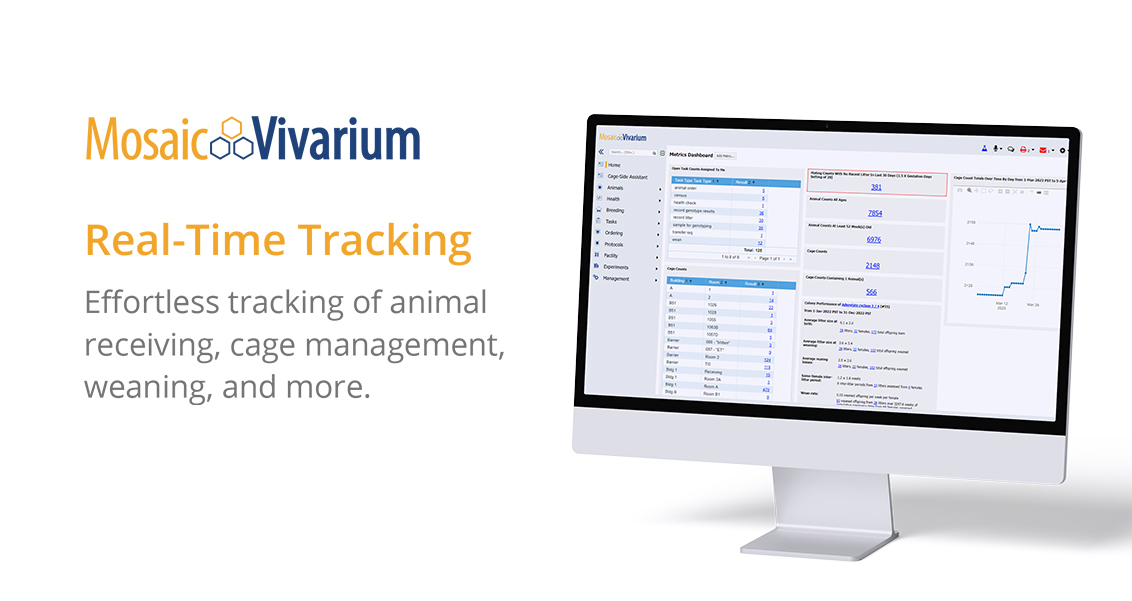
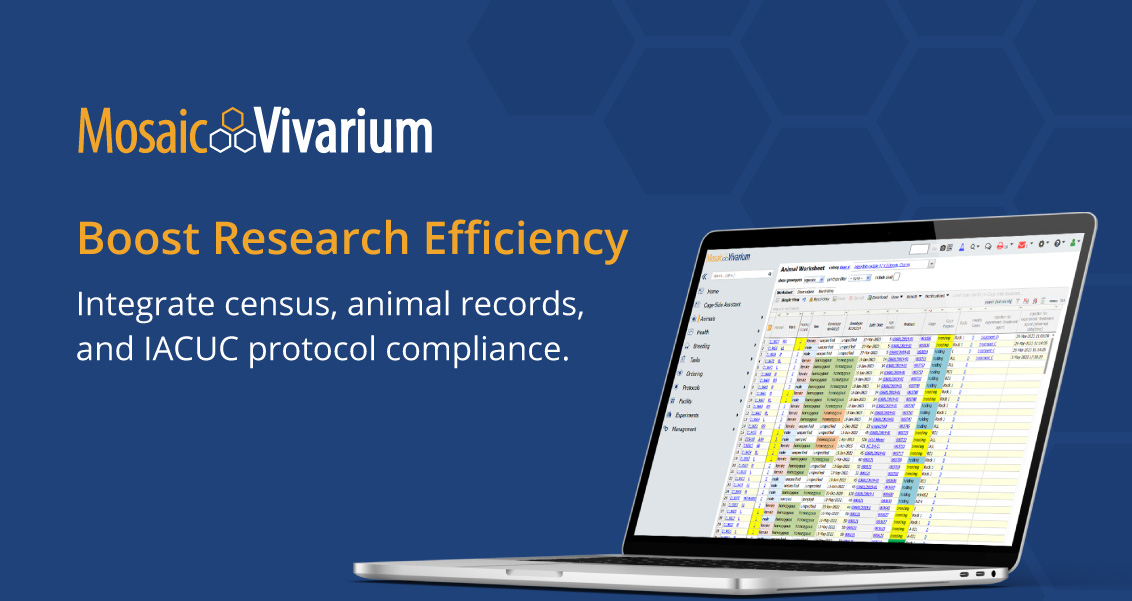
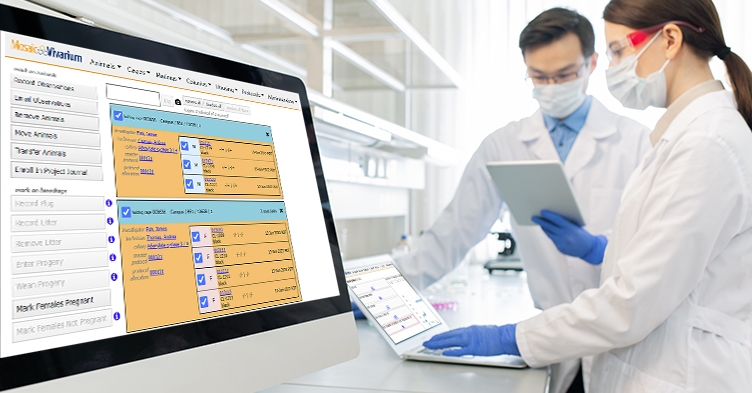
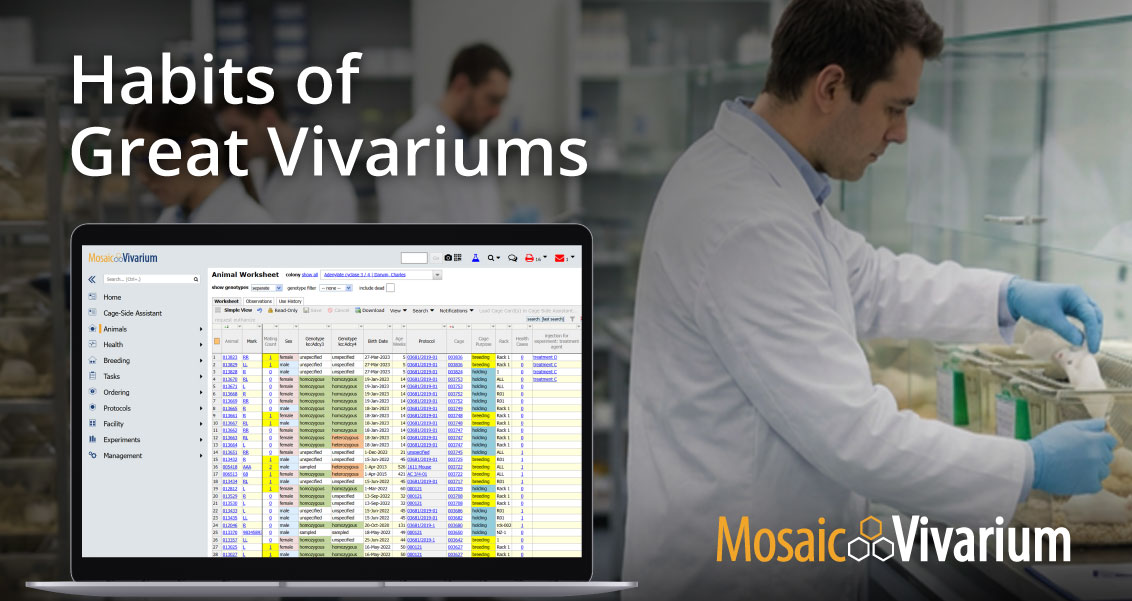
This is where a system like Mosaic Vivarium tends to support the habit naturally. When requests and outcomes are tracked in one place, accountability stops being something staff have to remember to practice. It becomes a byproduct of how the work is structured.
4. They Collaborate Across Roles, Not Just Within Them
In a lot of facilities, investigators, technicians, and managers operate in parallel rather than together, each with their own view of what’s happening. High-performing teams close that gap. Investigators understand what facility staff need from a request to execute it well. Technicians understand the context behind what they’re being asked to do. Managers have visibility into both sides.
This kind of cross-role collaboration doesn’t require everyone to do each other’s jobs. It requires shared visibility, a common reference point everyone can work from, so that no one is operating on partial information.
5. They Treat Improvement as Ongoing, Not Occasional
The best teams don’t wait for an audit or an incident to ask whether their processes are working. They look at patterns, where requests stall, where errors cluster, where staff consistently need clarification, and adjust before those patterns become problems.
This habit depends on having something to look at. Teams that keep good records of requests, tasks, and outcomes can spot trends that would otherwise stay invisible. Continuous improvement isn’t a mindset alone; it needs a foundation of reliable data to act on.
Culture and System, Working Together
None of these habits are unique to any one piece of software. They’re habits of discipline, communication, and shared standards. But they’re a lot easier to build and sustain when the underlying system supports them, when documentation happens automatically, when requests and outcomes are linked, and when the whole team is working from the same record instead of five different versions of it.
That’s the role Mosaic Vivarium plays for the facilities that use it: not as a replacement for good habits, but as a foundation that makes them easier to keep.
Curious what these habits look like in practice? Schedule a free demonstration today of Mosaic Vivarium and see how the right system can support the team culture you’re already trying to build.